Finding the Ideal Painting Contractor: Guide to a Perfect Finish
Choosing a painting contractor can greatly impact the outcome of a project. It necessitates thoughtful assessment of various factors, such as communication skills, experience, and references. A carefully planned approach ensures clarity and minimizes potential issues. Knowing what to focus on is crucial. With the correct guidance, homeowners can make informed choices that lead to a positive painting outcome. The following sections will outline essential tips and approaches to handle this process effectively.
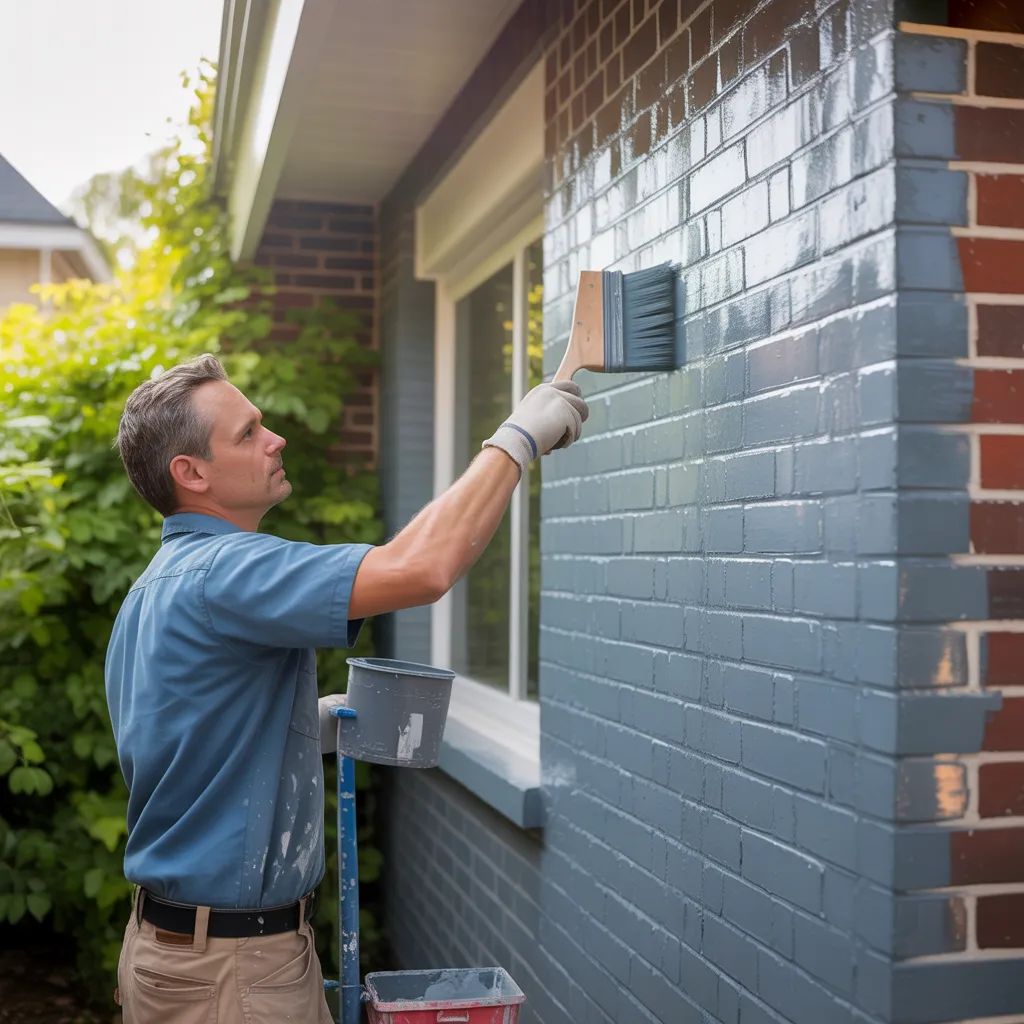
How to Evaluate a Painting Contractor's Experience
When evaluating a paint contractor's background, how can one discern the genuinely skilled from the less experienced? Important factors include the painter's duration in the industry and their portfolio of completed projects. A seasoned contractor typically possesses a broad portfolio, demonstrating multiple techniques and styles, which reflects adaptability and skill. Furthermore, understanding the types of projects they concentrate on—both residential and commercial—can shed light on their proficiency.
Another important aspect is the contractor's approach to continuous learning and development. Staying current with evolving industry methods and standards reflects a professional attitude. Pursuing certifications or affiliations with well-regarded professional organizations can additionally confirm their expertise. In the end, a comprehensive assessment encompasses not just how long they have been in business, but also the range and caliber of completed projects, guaranteeing the contractor is equipped to address unique project requirements.
What to Consider When Reviewing References and Reviews
When evaluating testimonials and feedback, it is crucial to look for uniformity in the standard of work shared by past clients. This uniformity can suggest reliability and professionalism. Furthermore, analyzing the service provider's manner of communication through feedback can offer valuable information about their availability and openness to communication.
Check Consistency in Quality
Reviewing references and reviews is essential for identifying a painting contractor's consistency in quality. Future clients should focus on feedback patterns rather than isolated comments. Look for recurring themes in reviews—positive remarks about attention to detail, punctuality, and general quality of work suggest dependability. Furthermore, consider the number of reviews; a contractor with a significant number of steady favorable testimonials is generally more trustworthy than one with only a few testimonials. Take note of any critical comments, particularly those highlighting poor communication or work left undone. Lastly, seek references from the contractor personally and follow up with past clients to acquire personal accounts of their interactions. This detailed process serves to confirm that the chosen professional will provide a quality outcome.
Assess Communication Style
To what degree does a paint contractor interact with clients? This element is vital when evaluating potential hires. Homeowners should look for reviews that emphasize the contractor's promptness and transparency in conversations. Reviews may reveal whether the contractor readily handles questions and concerns, indicating a commitment to customer satisfaction. Also, assess the contractor's ability to explain processes and timelines in an understandable manner. A skilled communicator keeps homeowners fully informed from start to finish. Seek reviews that reference detailed and accurate cost projectionsand openness regarding supplies and expenses. In the end, strong communication builds confidence and ensures a more seamless project outcome, making it a key factor in selecting the right painting contractor.
Key Aspects to Discuss When Hiring a Contractor
What critical considerations should be made when choosing a painting contractor? Start by checking the contractor's credentials, including their licenses and insurance, to validate their legitimacy and provide protection from liabilities. Next, evaluate their experience and expertise by asking for references and reviewing past projects. This process enables you to assess the standard of their craftsmanship and overall trustworthiness.
You should also make sure to talk about the types of materials and techniques they intend to use, as this influences the quality and look of the completed project. Furthermore, ask about the expected project schedule, as clear expectations help prevent misunderstandings.
Clear communication is vital; verify the contractor is approachable and willing to address concerns. Talk about any warranties or guarantees covering their services, as this offers confidence in the quality of results. Finally, clarify the contract details, making certain all aspects of the project, including start and completion dates, are clearly outlined in writing. These discussions lay the groundwork for a successful painting project.
Determining a Sensible Budget for Your Project
Creating a reasonable budget for a painting project starts with defining the project scope, which identifies the particular areas that require painting. When the scope is clearly outlined, it is crucial to factor in material costs, such as paint and supplies, together with the labor fees for the contractor's services. This comprehensive method ensures that homeowners can manage their resources efficiently while steering clear of unanticipated financial challenges.
Define Project Scope First
Establishing the project scope is vital for a satisfactory painting project. This first step involves precisely outlining the spaces designated for painting, the desired finish options, and any essential prep work. By outlining these details, homeowners can more clearly grasp the overall requirements of the project, leading to more accurate estimates. A clearly established scope helps reduce unanticipated adjustments and added charges during the painting process. Moreover, it enables productive discussions with potential contractors, ensuring that all parties are aligned on expectations. Making the effort to outline the project scope initially can significantly improve the result, supporting a more organized approach and a better overall outcome. Addressing this step first creates the framework for a well-executed painting job.
Factor in Material Costs
While determining the complete budget for a painting endeavor, property owners must diligently account for material costs to ensure budgetary accuracy. These costs encompass the expense of paint, primers, application brushes, rolling applicators, and additional supplies such as protective drop cloths and masking tape. Homeowners should choose premium materials, as these directly influence the quality and look of the final result. Homeowners should investigate multiple brands and evaluate their pricing to find a balance between quality and cost. Additionally, evaluating the overall square footage needing coverage will aid in determining the needed volume of materials, preventing unexpected expenses. Accounting for unforeseen requirements, such as reserve paint for repairs, can also result in a more reliable budget estimate.
Incorporate Labor Costs
Careful financial planning for a painting project necessitates careful consideration of workforce costs, which can greatly influence the overall cost. Labor costs generally makes up a large part of the total budget, so getting thorough cost breakdowns from contractors is essential. Painting specialists may charge by the hour or offer a fixed price based on the scope of work. It is advisable to find out the team composition and the projected timeline, as these elements can affect labor costs. Furthermore, understanding the contractor's experience and skill level can help explain their pricing. By including workforce costs into the cost estimate, clients can prevent unforeseen expenses and facilitate a smoother project execution, resulting in a perfect result.
Which Questions Should You Consider Asking Before Signing?
What key questions should homeowners consider before signing a contract with a painting contractor? To begin, they should ask about the contractor's experience and credentials. Learning about their past projects can give a clear picture of the quality and reliability of the contractor. Homeowners should also ask about the types of materials and paint brands chosen, as this impacts the longevity and finish of the project. In addition, talking about the project schedule is essential; being aware of when the project begins and ends can make planning much easier. Homeowners should understand the payment arrangement, including deposit requirements and final payment expectations. Lastly, it's important to ask about warranties or guarantees on both labor and materials. Asking these questions helps homeowners find a contractor who matches their standards and requirements, laying the foundation for a successful painting experience.
How to Make Sure Your Painting Project Goes Smoothly With Your Contractor
Establishing clear communication is crucial for guaranteeing a successful painting process with a professional contractor. Property owners should articulate their expectations regarding project timelines, color preferences, and specific project details. Routine updates can assist in resolving any emerging concerns and ensure the project stays on schedule.
Preparation is another key aspect. Homeowners need to ensure the work area remains accessible and clear of obstacles. This enables the contractor to operate efficiently and helps reduce potential delays.
Additionally, it is wise to establish a formal agreement that outlines the work parameters, billing schedule, and completion timeline. This written record functions as a benchmark for both sides, minimizing misunderstandings.
Finally, nurturing a positive rapport encourages teamwork. Homeowners ought to acknowledge the contractor's hard work, fostering a productive working atmosphere. By following these guidelines, homeowners can contribute to a seamless painting experience, ultimately leading to a flawless finish.
Common Questions and Answers
How Much Time Will the Painting Project Need to Finish?
The duration of a painting project typically ranges from a few days to several weeks, based on factors including the dimensions of the area, article complexity of the work, and surrounding conditions impacting the timeline.
What Type of Paint Do You Recommend for My Project?
For the finest results, a premium, long-lasting acrylic latex paint is the ideal choice. This type offers excellent coverage, easy application, and long-lasting finish, making it an excellent choice for interior as well as exterior surfaces, ensuring a professional appearance.
Do You Supply Warranties for Your Work?
Absolutely, many established painting contractors include guarantees on their projects. These warranties typically cover both workmanship and supplies, guaranteeing that clients get excellent service and protection against possible problems that may arise after the project's completion.
How Do You Address Unexpected Challenges During the Project?
The contractor tackles unforeseen challenges by swiftly analyzing the situation, communicating transparently with the client, and presenting resolutions. This proactive approach ensures limited interference and maintains project timelines while ensuring customer contentment during every stage.
May I Review a Portfolio of Your Previous Work?
The contractor willingly shared a portfolio highlighting diverse projects, highlighting skilled workmanship and meticulous attention to detail. Every finished project demonstrated their expertise, enabling prospective clients to evaluate their technique and appropriateness for planned painting ventures.